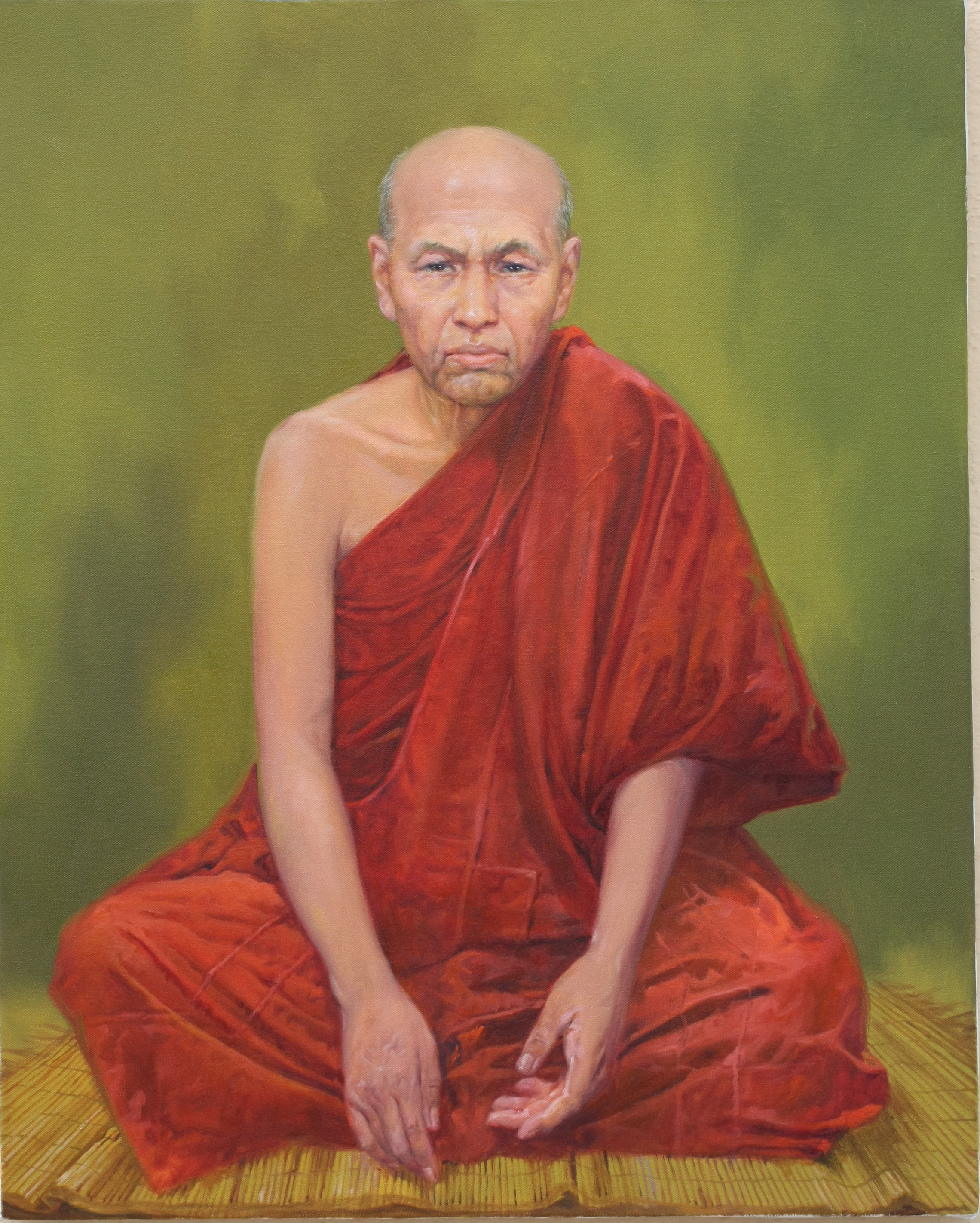
The Spread of Dhamma
all spaces +
The spread of Dhamma began with the Buddha himself, who traveled extensively across northern India to share his teachings on suffering, ethical conduct, and the path to enlightenment. He used simple language, spoke to people of all backgrounds, and emphasized values like compassion, non-violence, and self-discipline.
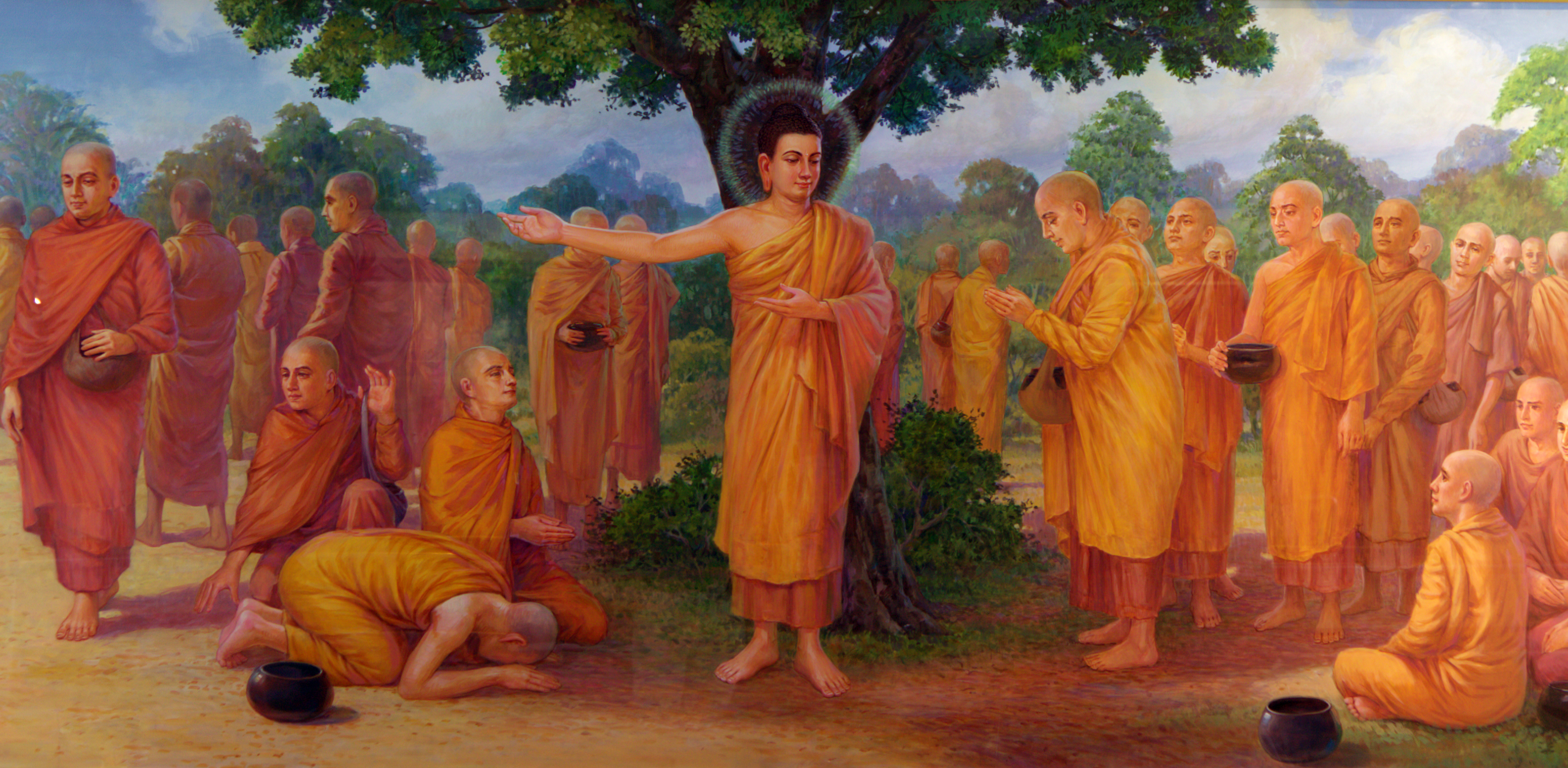
His teachings, rooted in the Four Noble Truths and the Eightfold Path, attracted followers from all walks of life — from kings and merchants to monks and householders.
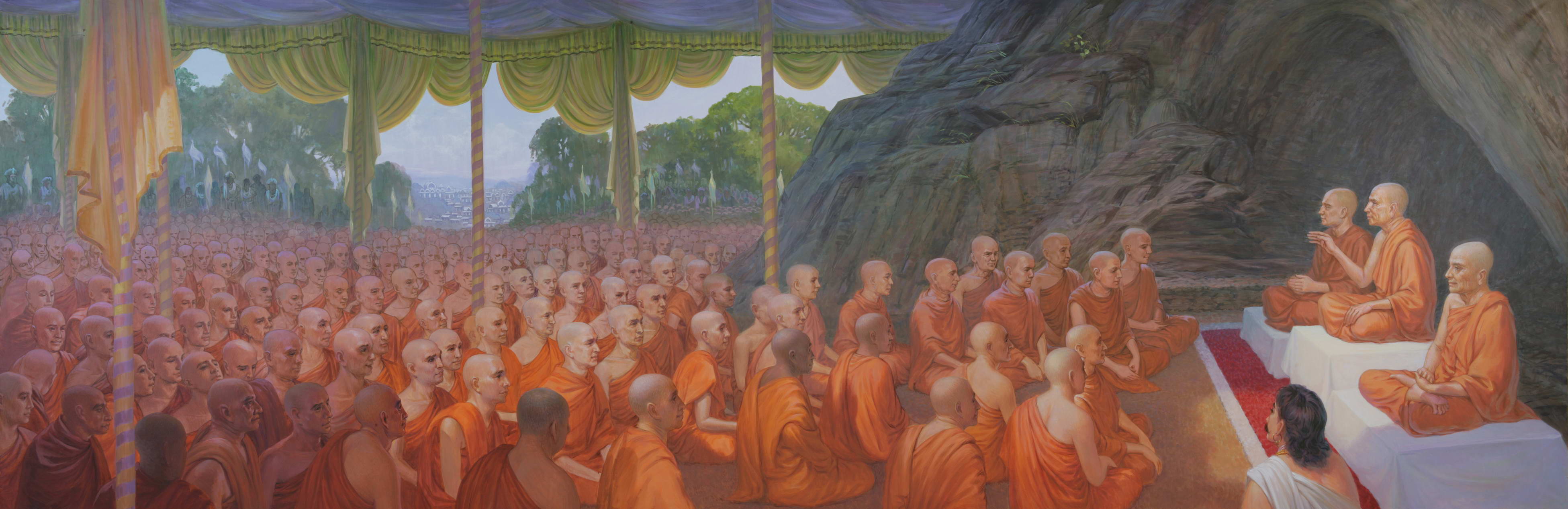
After the Buddha's death, the spread of Dhamma gained momentum, especially during the reign of Emperor Ashoka in the 3rd century BCE. Deeply moved by the horrors of war, Ashoka adopted Buddhism and promoted Dhamma as a way of life for peace and harmony.
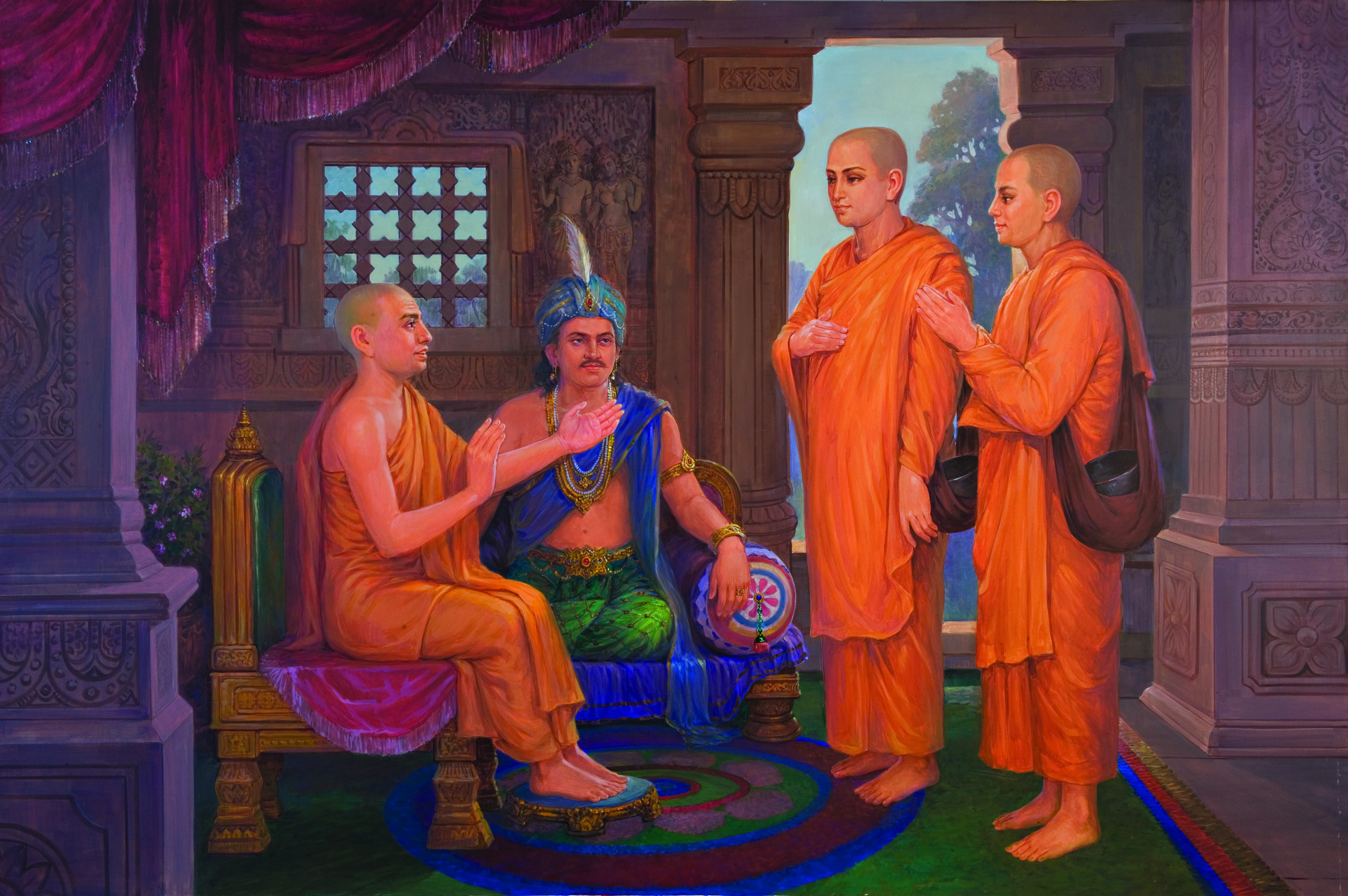
He sent missionaries across India and beyond — to Sri Lanka, Southeast Asia, and even parts of the Mediterranean — and engraved edicts on rocks and pillars that encouraged kindness, respect, and ethical living. Monastic communities also played a key role in preserving and spreading the teachings through oral tradition and early written texts.
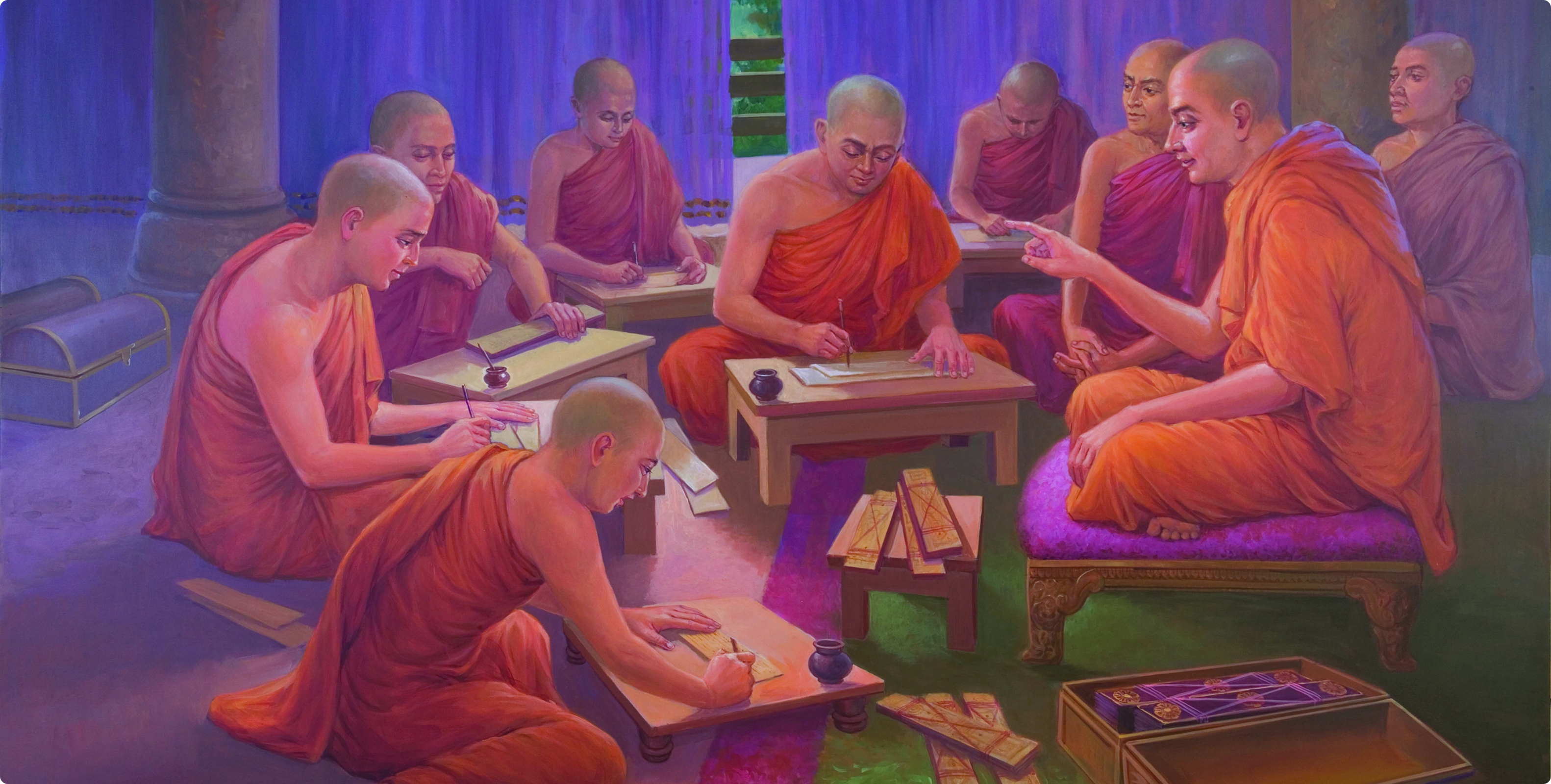
Over time, the teachings of Dhamma adapted to different cultures and gave rise to various schools of Buddhism such as Theravāda, Mahāyāna, and Vajrayāna. Through trade routes like the Silk Road, Buddhist philosophy, art, and literature reached Central Asia, China, Japan, and Tibet.
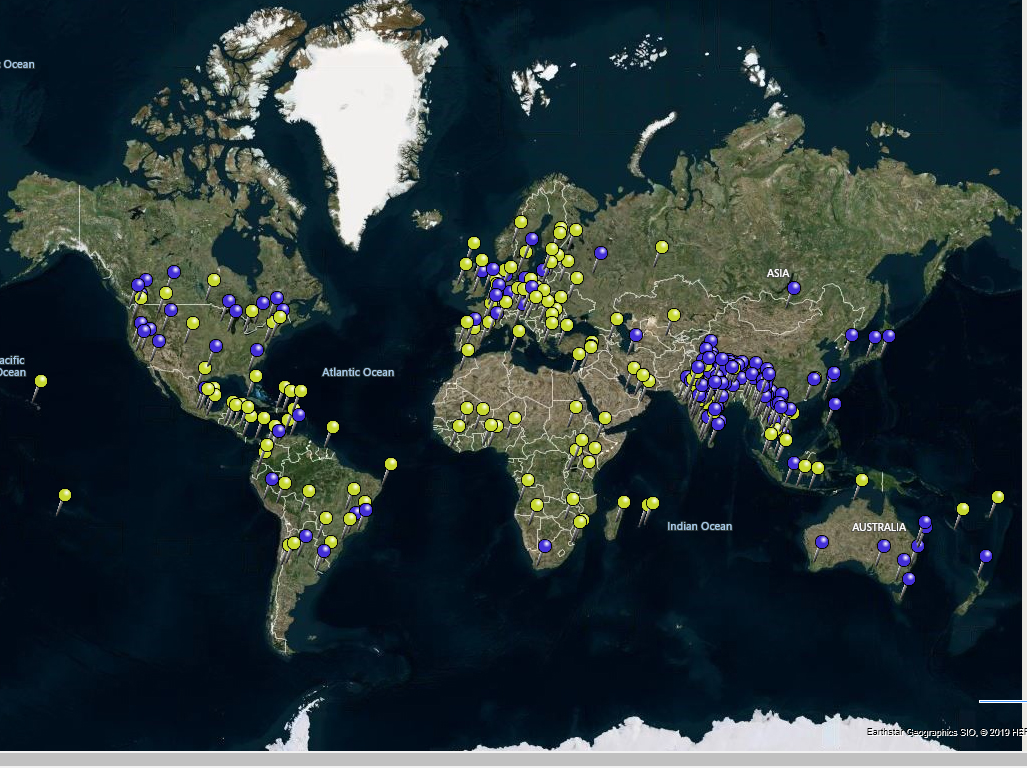
The spread of Dhamma not only influenced spiritual thought but also shaped the cultural and moral fabric of many societies, leaving a legacy of peace, tolerance, and mindfulness that endures to this day.